
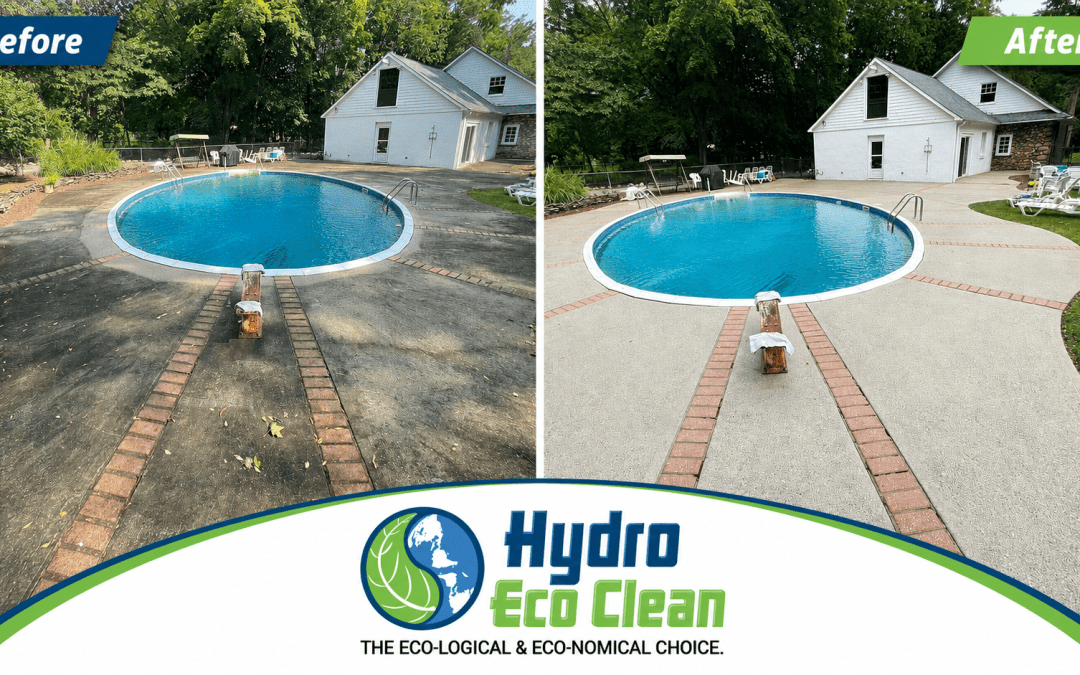
Driveway and concrete cleaning is one of the easiest ways to make your property look cleaner, safer, and better maintained without taking on a major exterior project. In New Jersey, concrete surfaces deal with a lot: winter salt, spring pollen, summer humidity, heavy tree cover, oil drips, tire marks, and years of buildup that slowly settle into the concrete’s pores.
At first, a dirty driveway or stained walkway may seem cosmetic. But over time, organic growth, oil stains, tree sap, and ground-in grime can make concrete harder to clean and less appealing from the street. For homeowners and property owners, knowing when to schedule concrete cleaning services can help keep driveways, patios, sidewalks, and pool decks in better condition.
Why Driveway and Concrete Cleaning Matters in New Jersey
Concrete may look tough, but it is still a porous surface. That means stains, moisture, algae, and dirt can settle in instead of simply sitting on top. Once the buildup works its way to the surface, a quick rinse with a garden hose usually will not be enough to clean the concrete properly.
New Jersey weather adds to the problem. Winter can leave salt and residue behind. Spring brings pollen, moisture, and organic growth. Summer foot traffic, outdoor entertaining, and pool use can leave flat surfaces looking dull. Fall leaves and tree debris can create staining, especially in shaded areas.
Routine concrete cleaning services help remove buildup before it becomes harder to treat. A clean driveway, patio, or walkway also improves curb appeal, which matters whether you are staying put, preparing to sell, or just tired of seeing the same stains every time you pull into the driveway.
Signs It Is Time to Clean Concrete Surfaces
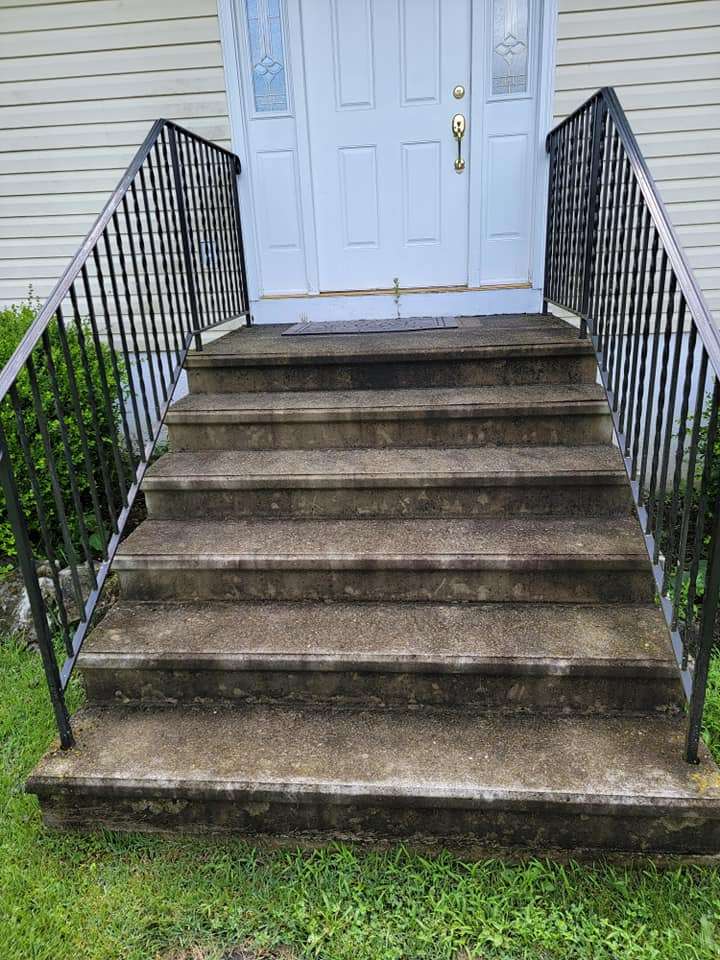
You do not need to wait until the concrete looks terrible to schedule service. In fact, the best time to clean concrete surfaces is usually before stains have had years to settle.
Some common signs that it may be time for driveway and concrete cleaning include:
- Dark streaks or blotchy areas on the driveway
- Oil stains or oil drips from vehicles.
- Tire marks near the garage or parking area
- Green or black organic growth on shaded concrete
- Tree sap, leaf stains, or mildew near wooded areas
- Slippery spots on walkways or pool decks
- Dirt buildup around expansion joints
- A patio, sidewalk, or driveway that looks unevenly colored
- Concrete that looks dull compared to the rest of the property
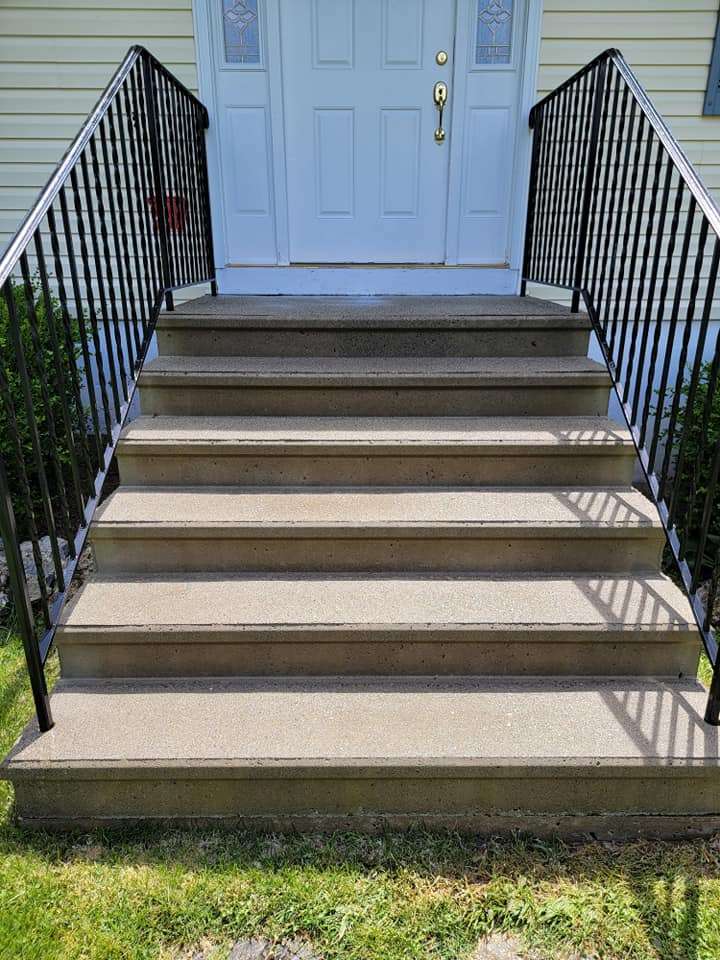
Older stains can be more stubborn than fresh ones. Oil leaks, rust stains, and years of buildup may need the right pre-treatment and professional-grade pressure to improve the surface safely. Waiting too long can make the concrete cleaning process more difficult.
Best Times of Year to Schedule Concrete Cleaning
Concrete cleaning can be useful throughout much of the year, but some seasons make more sense than others.
Spring is one of the best times to schedule driveway pressure washing or surface cleaning. After winter, concrete driveways and sidewalks may be covered with salt residue, dirt, and grime. Spring cleaning refreshes the property before the busiest outdoor months.
Summer is a good time for patios, pool decks, walkways, and outdoor living areas. If you use your backyard often, clean pool decks and patios can make the space feel more inviting. It is also a smart time to address organic growth before humid weather makes it worse.
Fall can be useful before leaves, moisture, and colder temperatures arrive. Cleaning concrete before winter may help remove buildup that could sit on the surface for months. For shaded properties or homes with heavy tree coverage, fall cleaning can be especially helpful.
The right timing depends on the condition of the concrete, the amount of shade, nearby trees, vehicle traffic, and how visible the surface is from the street.
Why Concrete Needs the Right Pressure and Equipment
Concrete is durable, but that does not mean every surface should be blasted with maximum pressure. Using too much pressure, the wrong nozzle, or a standard wand too aggressively can leave uneven marks or damage weaker areas.
Professional concrete cleaning uses the right equipment for the surface condition. A flat surface cleaner, proper pressure washer setup, and the right pressure help clean flat surfaces more evenly than a rushed DIY approach. For tough stains, the right pre-treatment may be needed before washing begins.
The goal is not just to spray the surface. The goal is to clean the concrete without causing unnecessary wear. Expansion joints, older concrete, decorative areas, and nearby stone surfaces may all need a more careful approach.
This is also why concrete cleaning is different from house washing or roof cleaning. Siding, roofing materials, and delicate surfaces often require soft wash methods or low-pressure cleaning. Concrete can usually handle more force, but it still needs the right method.
Driveways, Patios, Pool Decks, and Commercial Spaces
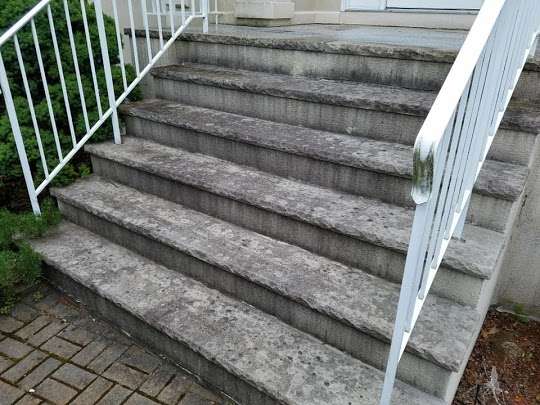
Driveway and concrete cleaning is not limited to residential driveways. Many concrete surfaces around a property can collect buildup.
Driveways often show tire marks, oil stains, and dirt from everyday use. Walkways and sidewalks may collect algae, pollen, and organic matter, especially in shaded or damp areas. Patios and pool decks can develop stains from furniture, planters, leaves, and foot traffic.
Commercial spaces can also be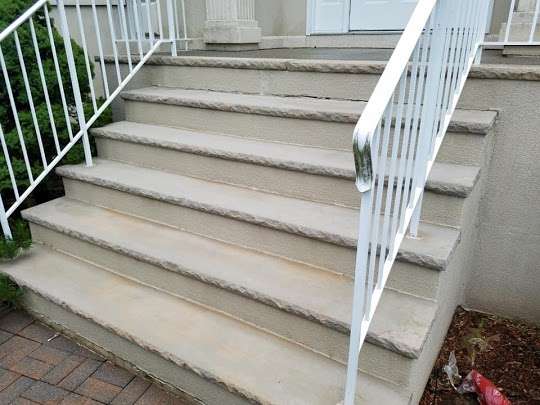 nefit from routine maintenance. Parking areas, sidewalks, entrances, and concrete floors near customer-facing spaces all affect the first things people notice about a property. For business owners, clean concrete can support a better first impression and reduce the appearance of neglect.
Whether the surface is residential or commercial, the same basic rule applies: the longer stains and buildup sit, the harder they may be to remove.
When to Call a Professional Concrete Cleaning Service
A quick rinse might help with loose dirt, but it usually will not remove older stains, oil spots, deep grime, or organic growth. If the surface still looks dirty after basic cleaning, it may be time to call a professional concrete cleaning service.
Professional help is especially useful when:
- Oil stains have soaked into the surface.
- Tire marks keep coming back.
- The driveway has years of buildup.
- Walkways or pool decks feel slippery.
- The surface has mixed staining from trees, moisture, and vehicle traffic.
- You are preparing the property for guests, photos, listing, or seasonal use.
- You want a more even, clean look across larger flat surfaces.
A professional can look at the surface condition, choose the right pre-treatment, use the proper pressure, and clean large areas more evenly than a standard homeowner setup. That matters when you want the concrete to look better without risking unnecessary damage.
For larger exterior projects, concrete cleaning can also be paired with whole-house pressure washing or other exterior cleaning services. This can help the entire property look more consistent, rather than having clean siding next to stained walkways or a dirty driveway.
Get a Free Estimate for Driveway and Concrete Cleaning in NJ
If your driveway, patio, sidewalk, or pool deck is starting to show oil stains, tire marks, organic growth, or years of buildup, it may be time to schedule driveway and concrete cleaning.
Hydro Eco Clean provides professional exterior cleaning services for New Jersey homeowners and property owners, including concrete cleaning, house washing, roof cleaning, and commercial exterior cleaning.
To find out what your concrete surfaces need, request a free estimate from Hydro Eco Clean.