
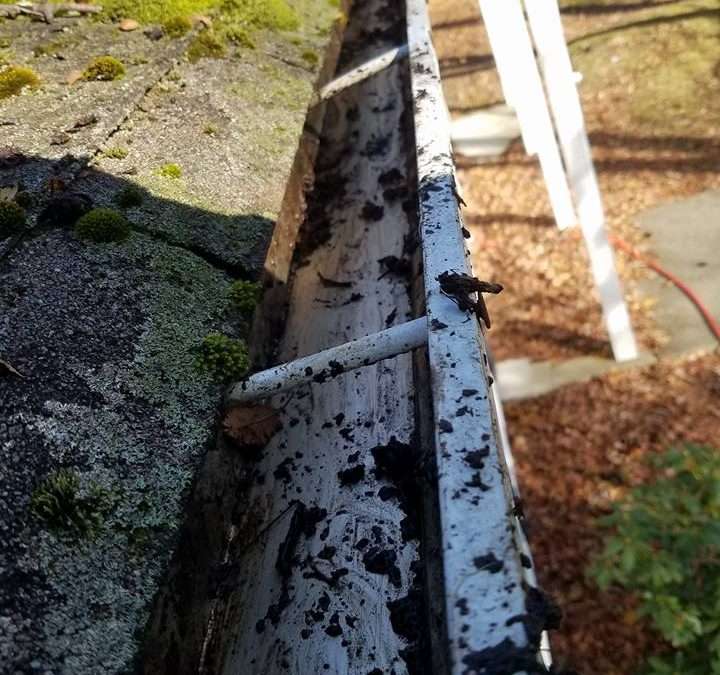
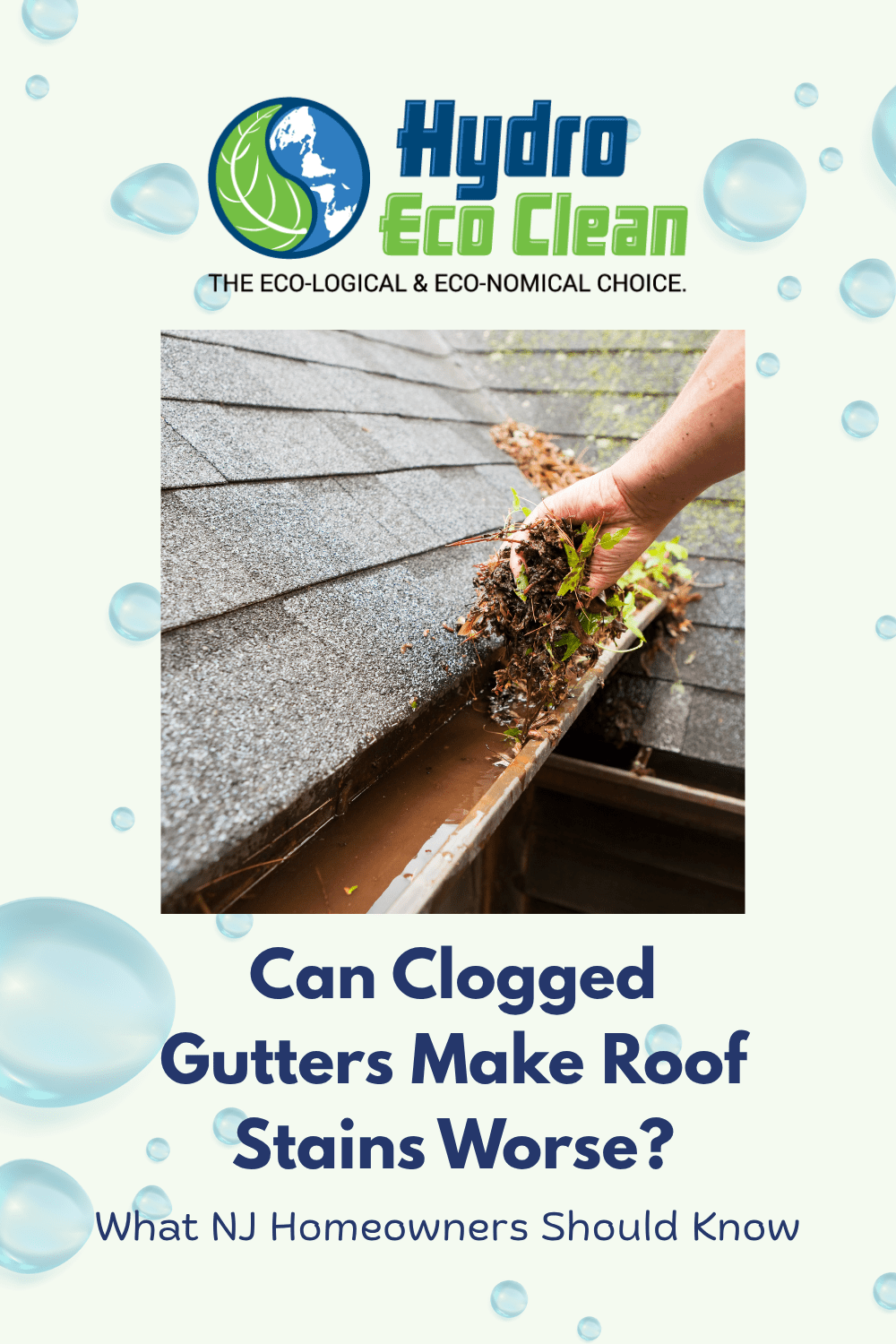
If you have been asking, “Can clogged gutters make roof stains worse?”, the answer is yes. Clogged gutters do more than create a messy roofline. They can trap leaves, pine needles, and other organic matter, hold stagnant water, and interfere with proper drainage.
When that happens, excess moisture tends to collect near the roof edge, fascia boards, and lower roof shingles, creating a damp environment that worsens roof stains and mildew growth.
For New Jersey homeowners, this is a common problem. Heavy rainfall, humid weather, tree cover, and seasonal debris can all turn a clogged gutter system into a serious threat to your home’s exterior.
What starts as a minor inconvenience can eventually lead to water damage, wood rot, peeling paint, mold growth, and even costly repairs if it is ignored too long.
How Clogged Gutters Can Make Roof Stains Worse
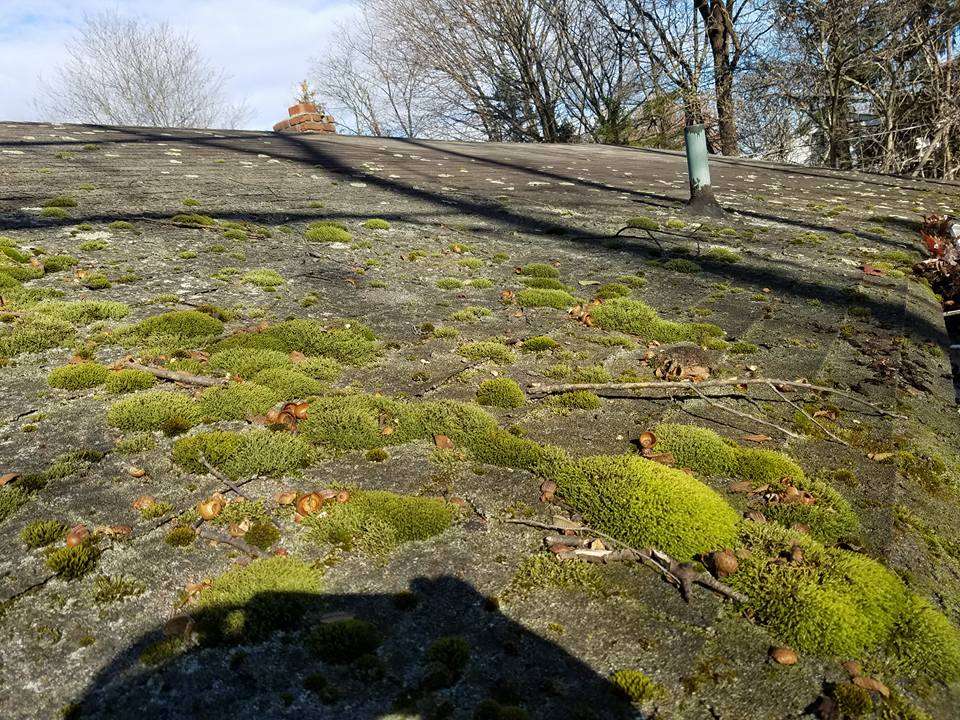
Gutters play a vital role in moving direct rainwater away from the edge of your roof and the rest of your home. When gutters are clogged, the water flow slows down or stops. Instead of moving through the gutter channels and downspouts the way it should, water overflows or gets trapped along the roof edge.
That trapped water creates ideal conditions for those nasty roof stains to spread. If your roof already has dark streaks, algae growth, or mildew buildup, clogged gutters can make the problem worse by keeping the lower edge of the roof wet longer than it should be. Excess moisture near roofing materials can also contribute to premature wear over time.
This is one reason homeowners dealing with visible staining often need more than one service. In many cases, a property with gutter clogs also needs roof cleaning to address the buildup already forming on the shingles.
Why this is more than a cosmetic issue
A lot of people treat roof stains like they are only about appearance, but that is not always the full story.
Yes, dark streaks can hurt your home’s curb appeal and make the property look older or less maintained. But clogged gutters can also create the conditions for more serious damage.
When water overflows repeatedly, it can affect fascia boards, soffits, siding, and even the home’s foundation. Over time, poor drainage may contribute to structural issues, soil erosion around flower beds, foundation cracks, basement flooding, or water intrusion into the interior of your home. In severe cases, you may even notice ceiling stains, ceiling leaks, or interior water stains before you realize how much damage the gutter clogs have caused.
That is why regular gutter maintenance is not just about keeping things tidy. It is about protecting your home’s structural integrity and avoiding costly repairs later.
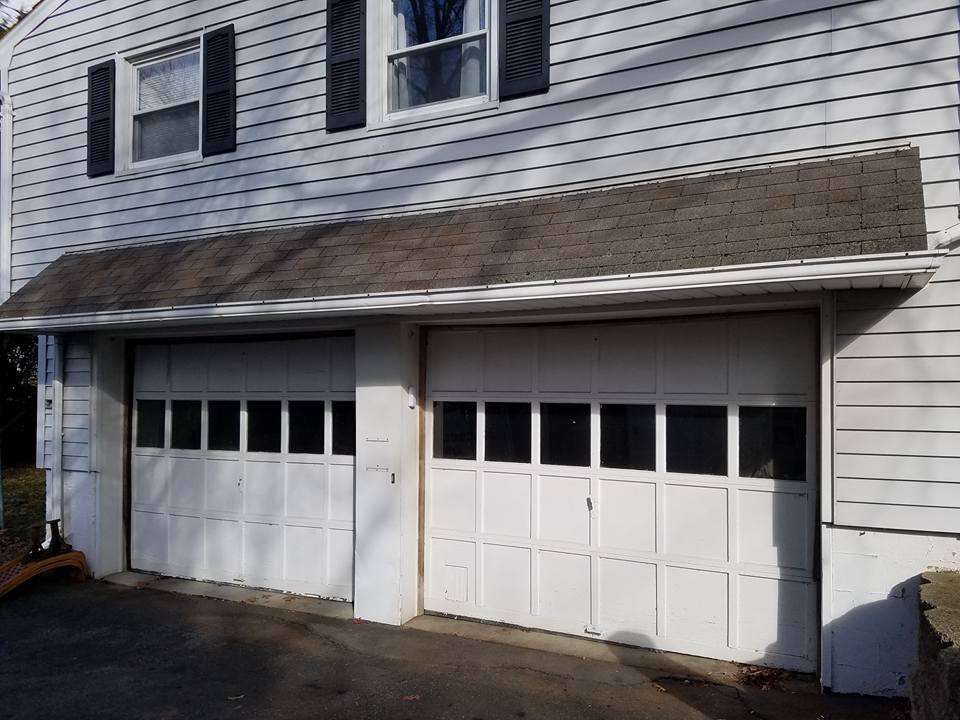
Warning Signs That Your Gutters May Be Affecting The Roof
There are several telltale signs that your gutter system may be contributing to roof stains or other exterior problems. Watch for:
- water overflows during heavy rainfall
- dark stains near the roof edge
- mildew growth on siding or trim
- peeling paint on fascia boards
- debris buildup from leaves or pine needles
- sagging gutters from excess weight
- standing water near the base of your home
- water marks on exterior walls
- mold growth or musty smells near entry points
If you are seeing more than one of these warning signs at once, it is usually a good idea to schedule gutter cleaning before the problem spreads.
Why New Jersey homes are especially vulnerable
New Jersey homes often deal with the exact mix of conditions that make gutter problems worse. High humidity, cold winters, severe weather, mature trees, and frequent storms all increase the chances of clogged gutters, trapped water, and excess moisture around the roofline.
Homes in places like Montville, Pequannock, Morris Plains, and Denville often have mature landscaping and seasonal debris, making regular gutter cleaning even more important. When leaves and organic matter sit in the system for too long, it’s only a matter of time before water overflows start affecting other parts of the home.
What Can Clogged Gutters Damage Besides The Roof?
One of the biggest mistakes homeowners make is assuming gutter clogs only affect the gutters themselves. In reality, the damage can spread across the entire home.
Clogged gutters can contribute to:
- roof damage near the lower shingles
- wood rot on fascia boards
- mildew growth on siding
- mold growth in damp exterior areas
- pest infestations and insect infestations around stagnant water
- water damage near windows and exterior walls
- soil erosion near flower beds and landscaping
- foundation damage or basement flooding
- health risks tied to excessive moisture and mold in severe cases
This is why the best way to deal with gutter problems is to address them early, before they cause serious damage and costly repairs across multiple surfaces.
When gutter cleaning and roof cleaning go together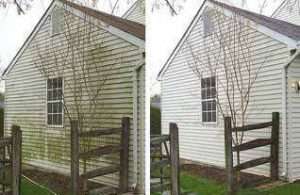
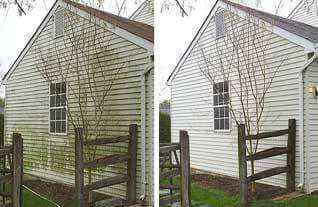
Gutters shouldn’t be the only part of your home’s exterior that needs regular care. If gutters are clogged and roof stains are already visible, cleaning the gutters alone may not solve the full problem.
Once staining, algae, or mildew growth has taken hold on the roof shingles, the buildup usually needs its own treatment. That is where combining gutter cleaning with roof cleaning makes sense.
Cleaning the gutters helps restore proper drainage and water flow. Cleaning the roof helps remove the staining and organic growth that has already developed.
If overflow has also left streaking or grime on siding and trim, house washing may be part of the best course of action, too. This is especially true when the exterior of your home is showing mildew, splashback, or water marks below the gutter line.
Preventive measures that help reduce future clogs
The good news is that NJ homeowners can reduce the risk of future clogs with regular maintenance and a few smart preventive steps.
Depending on the property, that may include:
- scheduling regular gutter cleaning
- clearing pine needles and organic matter before heavy rainfall seasons
- checking for warning signs after storms
- inspecting for trapped water and standing water
- making sure downspouts are directing water away from the home’s foundation
- asking whether gutter guards make sense for your property
- staying ahead of mildew and roof stains before they get worse
A seamless gutter system or gutter guards may help in some cases, but they do not remove the need for maintenance entirely. Debris can still build up, and clogged gutters can still happen if the system is ignored for too long.
Do not wait for serious problems
Many homeowners put off gutter maintenance until they notice obvious overflow or a roof leak. By then, the damage may already be spreading. Water leaks, roof leaks, ceiling stains, wood rot, and foundation cracks are all signs that a gutter problem has gone too far.
Routine cleaning is usually much less expensive than repairing serious gutter problems, roof repairs, or interior damage. Keeping gutters clean gives homeowners peace of mind and helps protect one of the most important parts of the property.
Get ahead of roof stains and water damage
So, can clogged gutters make roof stains worse? Absolutely. They create the perfect environment for trapped water, excess moisture, mildew growth, and staining near the roof edge. They can also increase the risk of water damage, roof damage, and structural issues throughout the home if the problem is ignored.
If your gutters are overflowing, your roof shingles are showing dark streaks, or the exterior of your home is starting to show signs of runoff and buildup, Hydro Eco Clean can help. We provide professional gutter cleaning, roof cleaning, and house washing services across North Jersey.
Request your free estimate today and take care of the problem before clogged gutters turn into bigger repairs.